

Find the Training
That Will
Transform Your
Practice
Browse REACH’s evidence-based programs for primary care clinicians, mental health clinicians, and school staff, and take the next step toward better care for your patients.
Find Courses
x Clear all filters

Addressing Trauma in Pediatric Primary Care
Addressing Trauma in Pediatric Primary Care (ATIPP) It’s not as scary as it seems — and your patients need you to know this. Join the Notification List BACK Training PCP

Adult Behavioral Health in Primary Care
Adult Behavioral Health in Primary Care Be the clinician your patients on the waiting list can’t afford to wait for. Join the Notification List BACK Training PCP Training Adult Behavioral
Adult Behavioral Health in Primary Care (Brief Course)
Adult Behavioral Health in Primary Care (Brief Course) Join the Notification List BACK Training PCP Training Adult Behavioral (Brief Course – Online) WHO IT’S FOR Adult primary care providers: Family

Autism Essentials: Identify, Evaluate, Support
Autism Essentials: Identify, Evaluate, Support Autistic children are four times more likely to have unmet healthcare needs than children without disabilities. Yet many clinicians report limited training and low confidence

CBT for Anxiety in Adult Primary Care
CBT for Anxiety in Adult Primary Care Anxiety is the most common mental health condition in your practice. Treat it with confidence. Join the Notification List BACK Training PCP Training

CBT for Anxiety in Pediatric Primary Care
CBT for Anxiety in Pediatric Primary Care Help anxious kids today — without waiting for a referral. Join the Notification List BACK Training PCP Training CBT Anxiety WHO IT’S FOR

CBT for Depression in Pediatric Primary Care
CBT for Depression in Pediatric Primary Care Leave with skills you can use on Monday. Join the Notification List BACK Training PCP Training CBT Depression in PPC WHO IT’S FOR

CBT for Youth Anxiety
CBT for Youth Anxiety Anxiety is the most common mental health condition in young people. Treat it with skill and confidence. Join the Notification List BACK Training PCP Training CBT
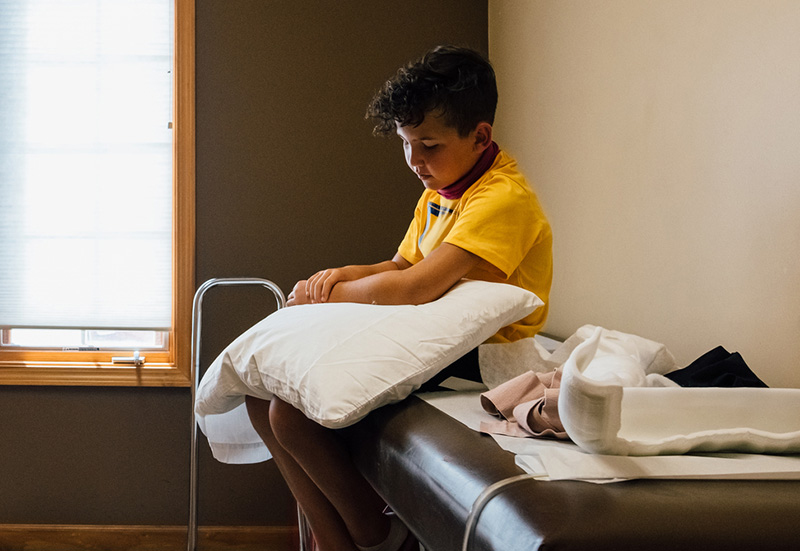
CBT for Youth Depression
CBT for Youth Depression Nearly 1 in 5 youth aged 12-17 have had at least one major depressive episode this past year. Most never get treatment. You can change that.

Collaborating with Schools in Pediatric Care
Collaborating with Schools in Pediatric Care Your patients spend most of their day at school. Learn to work with the people who see them there. Join the Notification List BACK

Parent Empowerment Program
Parent Empowerment Program (PEP) The Parent Empowerment Program equips family peer advocates with the knowledge and skills to navigate the mental health system — and help other families do the

Patient-Centered Mental Health in Pediatric Primary Care (PPP)
Patient-Centered Mental Health in Pediatric Primary Care (PPP) Build the skills and confidence to help your patients thrive. Join the Notification List BACK Training PCP Training PPP WHO IT’S FOR

Practical Behavior Management in Pediatric Primary Care
Practical Behavior Management in Pediatric Primary Care Give families real strategies — not just another referral. Join the Notification List BACK Training PCP Training Practical Behavior Management WHO IT’S FOR

Residents Education in Anxiety, Depression & Suicidality (READS)
Pediatric Mental Health Training for Residency Programs Resident Education in Anxiety, Depression and Suicidality (READS) gives residency faculty the skills, confidence, and turnkey tools to teach evidence-based assessment and treatment

Schools Mental Health Program
School Mental Health Program (SMHP) Equip Every Adult in the Building to Recognize and Respond to Mental Health Needs REACH School Mental Health training gives teachers, counselors, psychologists, administrators, and

Treatment for Disruptive Behavior Disorders
Treatment for Disruptive Behavior Disorders Build the confidence to help kids with challenging behaviors — and the families holding everything together. Join the Notification List BACK Training Mental Health Clinician
Treatment for Disruptive Behavior Disorders (Brief Course)
Treatment for Disruptive Behavior Disorders (Brief Course) Build the confidence to help kids with challenging behaviors — and the families holding everything together. Join the Notification List BACK Training Mental